Key Takeaways
- CNC milling uses computer-controlled machines to accurately shape a variety of materials, turning digital designs into precise physical parts.
- The process relies on converting CAD models to machine instructions (G-code), enabling the production of complex shapes and tight tolerances for industries like automotive, aerospace, and medical.
- Key components of CNC mills include the machine bed, spindle, cutting tools, and advanced software, all working together to deliver consistent, high-quality results.
- CNC milling offers high precision, repeatability, and efficiency, making it ideal for both prototyping and large-scale production.
- While CNC milling provides flexibility and automation, it requires significant upfront investment and skilled operators, and material choices can impact both tool wear and production speed.
CNC milling turns computer designs into real objects with amazing precision. These clever machines use computer controls to cut and shape materials like metal or plastic into complex parts. Unlike hand tools, CNC mills can create detailed shapes that would be nearly impossible to make manually.
The process works by following exact instructions from digital files. Manufacturers simply upload their designs, and the machine does the rest—cutting, drilling and shaping with perfect accuracy every time. This technology has become essential in modern manufacturing for creating everything from car parts to medical devices. Learn more about how CNC Milling can improve production speed and quality.
What Is CNC Milling?
CNC milling is a manufacturing process that uses computer numerical control to shape workpieces such as metal, plastic, or composites into precise parts. Machines called CNC mills use rotating tools to remove material from a fixed block, following instructions from digital files created by engineers. The operator uploads a CAD file into specialized software, which generates a toolpath and controls the movement of cutting tools on multiple axes. This process enables production of complex shapes, accurate dimensions, and tight tolerances that manual machining cannot consistently achieve.
Shops such as Yijin Hardware in Homestead, FL, use CNC milling to support industries including automotive, aerospace, medical, and energy. Their operators configure machines for tasks like drilling, contouring, and slotting, adapting spindle speed and feed rate to each material. The result is a finished part with consistent surface finish and high repeatability, even when producing thousands of components. CNC milling supports prototyping, small-batch production, and large-scale manufacturing. Yijin Hardware’s range of CNC machines offer precision and flexibility for custom hardware solutions.
Key Components of a CNC Milling Machine
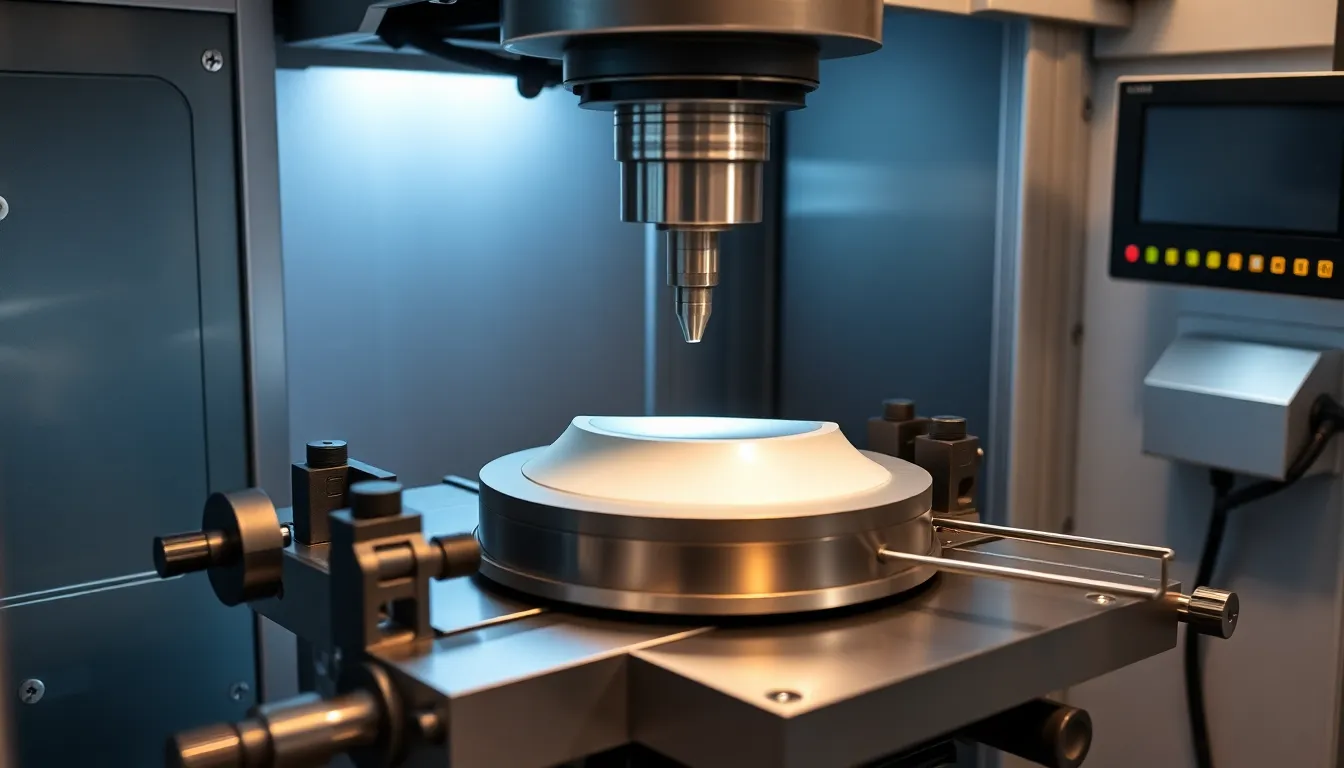
CNC milling machines use coordinated mechanical and digital systems to shape raw materials into precise components. Every primary component supports accuracy, consistency, and reliability in manufacturing sectors, including automotive and aerospace.
Machine Bed and Worktable
The machine bed forms the structural base and supports the worktable, which holds the material during machining. Worktables have flat surfaces with T-slots or holes for securing workpieces using clamps or vises. Movement in the X and Y axes allows accurate positioning. Advanced milling machines used at shops such as Yijin Hardware in Homestead, FL incorporate rotating or swinging platforms to enable multi-axis operations. These features ensure stable support and precise alignment, essential for producing complex parts at high tolerances.
Spindle and Cutting Tools
The spindle is the main rotating assembly driven by an adjustable-speed electric motor. It transfers movement to the cutting tool clamped within a tool holder. Spindle speeds typically range from 1,000 to over 20,000 RPM, adapting to different tool types and material hardness. Cutting tools such as end mills and drills remove material with precision, based on digital instructions. In production environments like Yijin Hardware, the choice of spindle speed and tool geometry enables reliable machining for metals, plastics, and composites demanded by sectors such as medical and energy.
Control Panel and Software
The control panel manages all operational commands using integrated software, which interprets CAD/CAM files and generates toolpaths. Programmable interfaces display live data and diagnostics, with user input through touchscreens or buttons. Software settings regulate every element of machine motion, including cut depth, feed rate, and spindle rotation. At precision shops like Yijin Hardware, advanced control systems ensure the digital-to-physical transfer of designs, supporting repeatable and accurate manufacturing of custom and complex hardware components.
How Does CNC Milling Work?
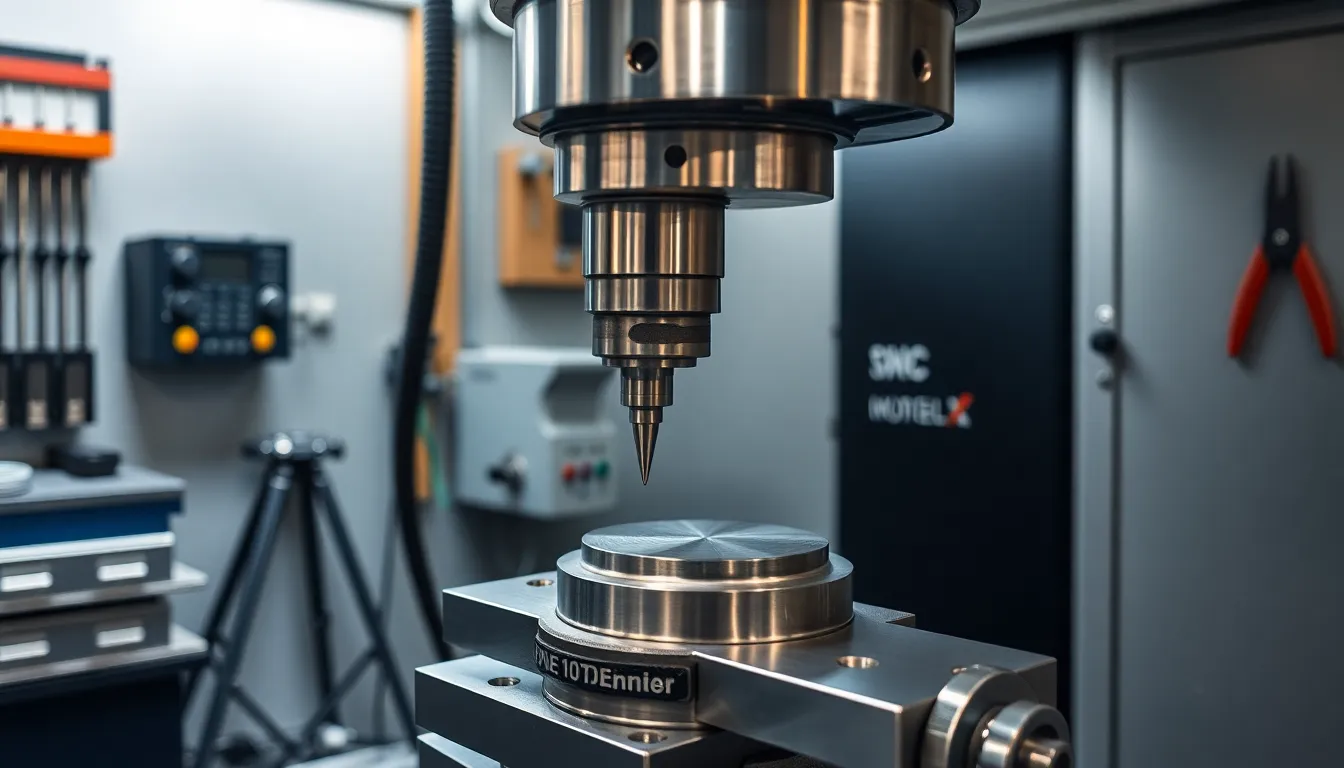
CNC milling creates complex shapes by removing material with precision guided by computer instructions. Automated processes deliver high repeatability for industries demanding accuracy.
Step-By-Step Process Overview
CNC milling converts digital designs into physical parts by moving cutting tools along defined paths. The process starts with a 3D CAD model, which engineers translate into a machine-readable format using CAM software. CAM creates detailed G-code instructions that control tool paths, speed, and cooling parameters. Operators secure the workpiece on the machine bed and load the CNC program. The CNC mill follows the programmed paths, cutting away material to match the original CAD file. This sequence supports tight tolerances and complex geometries, making the process essential in sectors like aerospace, automotive, and medical manufacturing.
Common Materials and Applications
CNC milling uses metals, plastics, and woods such as aluminum, brass, ABS plastic, and hardwood for part manufacturing. Companies apply CNC milling for brackets, housings, gears, and prototypes, especially where precision is critical. Yijin Hardware in Homestead, FL provides CNC milling for the automotive, aerospace, medical, and energy industries, delivering parts noted for tight tolerance and consistent quality. Machines classified as horizontal or vertical support broad application requirements, adapting to customer specifications for each order. Production capabilities range from single parts to large batches.
Advantages and Limitations of CNC Milling
CNC milling provides high precision and consistency in producing complex part geometries. Manufacturers, such as Yijin Hardware in Homestead, FL, use computer-controlled processes to achieve tolerances as tight as ±0.01 mm for critical components in the automotive, aerospace, and medical sectors. The automation in CNC milling increases production efficiency and allows for rapid turnaround on prototypes or batch manufacturing, reducing lead times and labor costs. Flexibility in tool selection, such as using drills or taps, enables operations like boring, threading, and engraving on materials including aluminum, steel, titanium, and plastic.
CNC milling faces certain limitations that affect project planning and costs. Initial investment for machines and setup remains high, with CNC mills starting at $25,000 for entry-level models and exceeding $200,000 for advanced multi-axis systems. Operations sometimes require skilled machinists to set up machines and diagnose errors, despite automation reducing manual labor. Material properties can constrain outcomes—for example, ultra-hard materials may cause rapid cutting tool wear or prolonged cycle times. These limitations necessitate careful consideration of design and material choice, even for shops like Yijin Hardware offering comprehensive services.
About Yijin Hardware
Yijin Hardware, based in Homestead, FL, offers a wide range of precision manufacturing services for various industries.
Led by CEO Gavin Yi, Yijin Hardware specialises in CNC machining, sheet metal fabrication, and custom fasteners. The company also provides additional solutions such as die casting, injection molding, and 3D printing. With expertise across industries like automotive, aerospace, medical, and energy, Yijin Hardware is committed to delivering high-quality, reliable manufacturing solutions that meet the diverse needs of its clients.
Contact:
Gavin Yi, CEO
Phone: +1 626 263 5841
Email: [email protected]
Address: 760 NW 10th Ave, Homestead, FL 33030
Website: www.yijinsolution.com
Frequently Asked Questions
What is CNC milling?
CNC milling is a manufacturing process where computer-controlled machines cut and shape materials, such as metal or plastic, into precise parts based on digital designs.
How does CNC milling work?
CNC milling works by converting a 3D CAD model into machine-readable G-code. The CNC mill then follows this code to remove material from a fixed block, creating the desired shape with high precision.
What materials can be used in CNC milling?
Common materials used in CNC milling include metals (like aluminum and steel), plastics, and sometimes woods. The choice depends on the final application and required properties.
What industries use CNC milling?
Industries such as automotive, aerospace, medical, and energy rely on CNC milling for producing components that require high precision and consistent quality.
What are the main components of a CNC milling machine?
Key components include the machine bed, worktable, spindle (with cutting tools), and a control panel integrated with CAD/CAM software.
What are the advantages of CNC milling?
CNC milling offers high precision, repeatability, efficiency, and the ability to create complex geometries quickly, making it ideal for both prototypes and large-scale production.
Are there any limitations to CNC milling?
Yes, CNC milling requires significant initial investment and skilled operators for setup. Material characteristics can also influence the outcome, making careful planning essential.
How accurate is CNC milling?
CNC milling machines can achieve very tight tolerances, often as precise as ±0.01 mm, depending on the machine and material used.
What is the difference between CNC milling and manual milling?
CNC milling is automated and follows digital instructions, offering higher precision and consistency compared to manual milling, which relies on hand-operated controls.
Can CNC milling be used for prototyping?
Yes, CNC milling is commonly used for rapid prototyping due to its quick turnaround, high precision, and ability to create complex designs directly from digital models.