Why the Right Partner Matters
Sourcing precision-machined components from China can significantly reduce costs and speed up production timelines, but the process comes with its own set of challenges. Language barriers, time-zone differences, and varying quality standards mean that selecting the right manufacturing partner is one of the most critical decisions a business can make. A reliable OEM CNC machining partner does more than just cut metal and plastic — it becomes an extension of your engineering team, helping you optimize designs for manufacturability while maintaining tight tolerances and consistent quality.
The global CNC machining market continues to grow, and China remains a dominant hub for precision manufacturing. However, not every shop operates at the same level. Understanding what separates a trusted partner from a commodity supplier can save months of delays and thousands of dollars in rework. This article walks through the essential criteria to evaluate when choosing an OEM CNC machining partner in China, so you can make an informed, confident decision.
![CNC machine cutting a metal component with coolant flowing]()
Key Certifications and Quality Standards
Certifications are the first and most objective filter when vetting potential partners. ISO 9001:2015 is the baseline for quality management systems, but for automotive and aerospace applications, IATF 16949 is a stronger indicator of rigorous process control. A shop that holds both demonstrates a commitment to traceability, defect prevention, and continuous improvement.
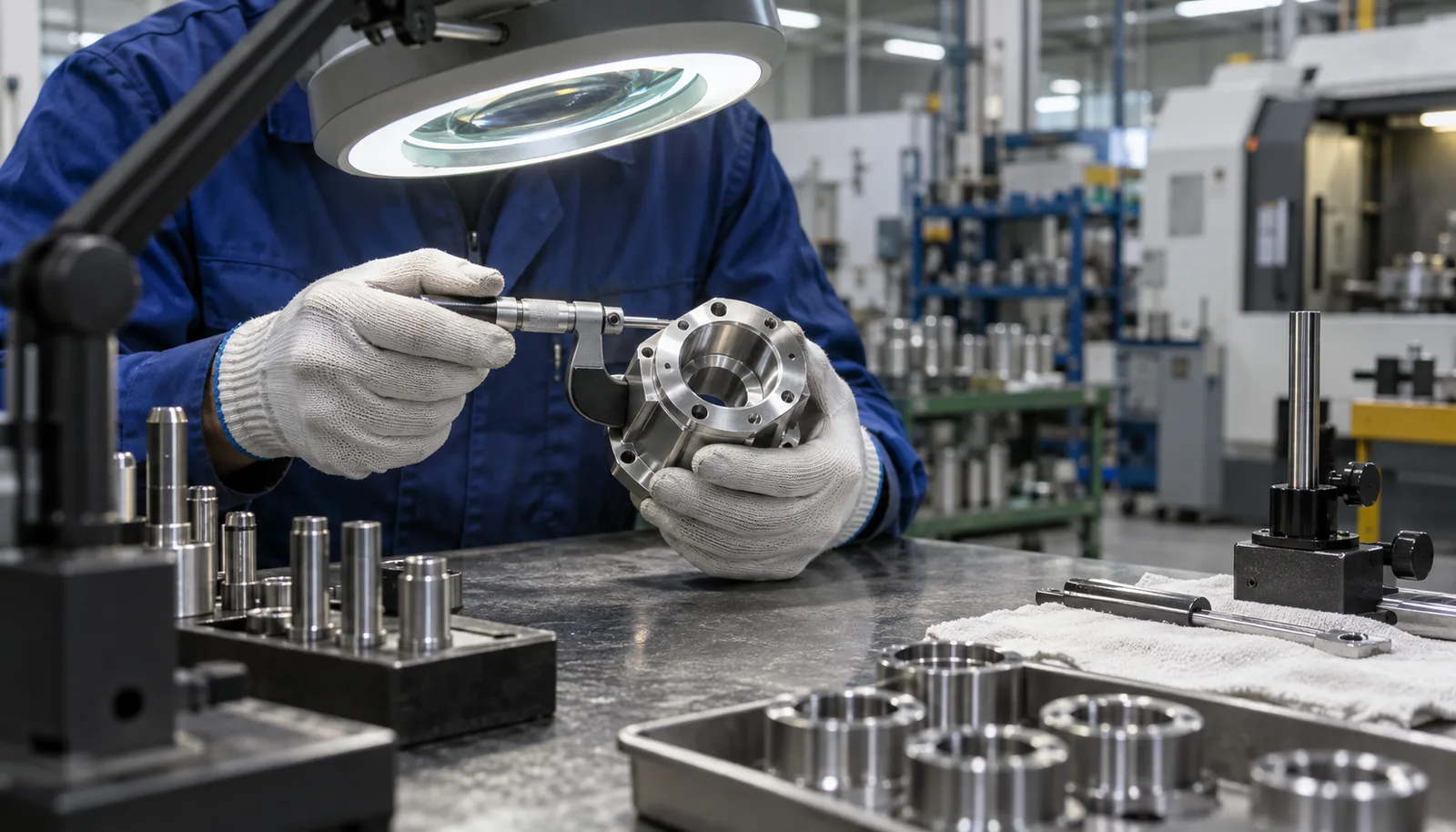
Beyond certificates, ask about inspection protocols. Does the supplier use coordinate measuring machines (CMM) or optical comparators? Do they provide full dimensional reports with every shipment? The best partners treat quality as a built-in process, not a final check. They perform in-process inspections and maintain batch traceability from raw material to finished part.
When you evaluate providers, look for documented evidence of their quality performance. On-time delivery rates, first-pass yield, and customer audit results are all meaningful metrics. A supplier that openly shares this data is usually confident in its processes. For a deeper look at how established manufacturers maintain these standards, you can explore OEM CNC machining in China and compare capabilities across vetted providers.
Technical Capabilities and Material Expertise
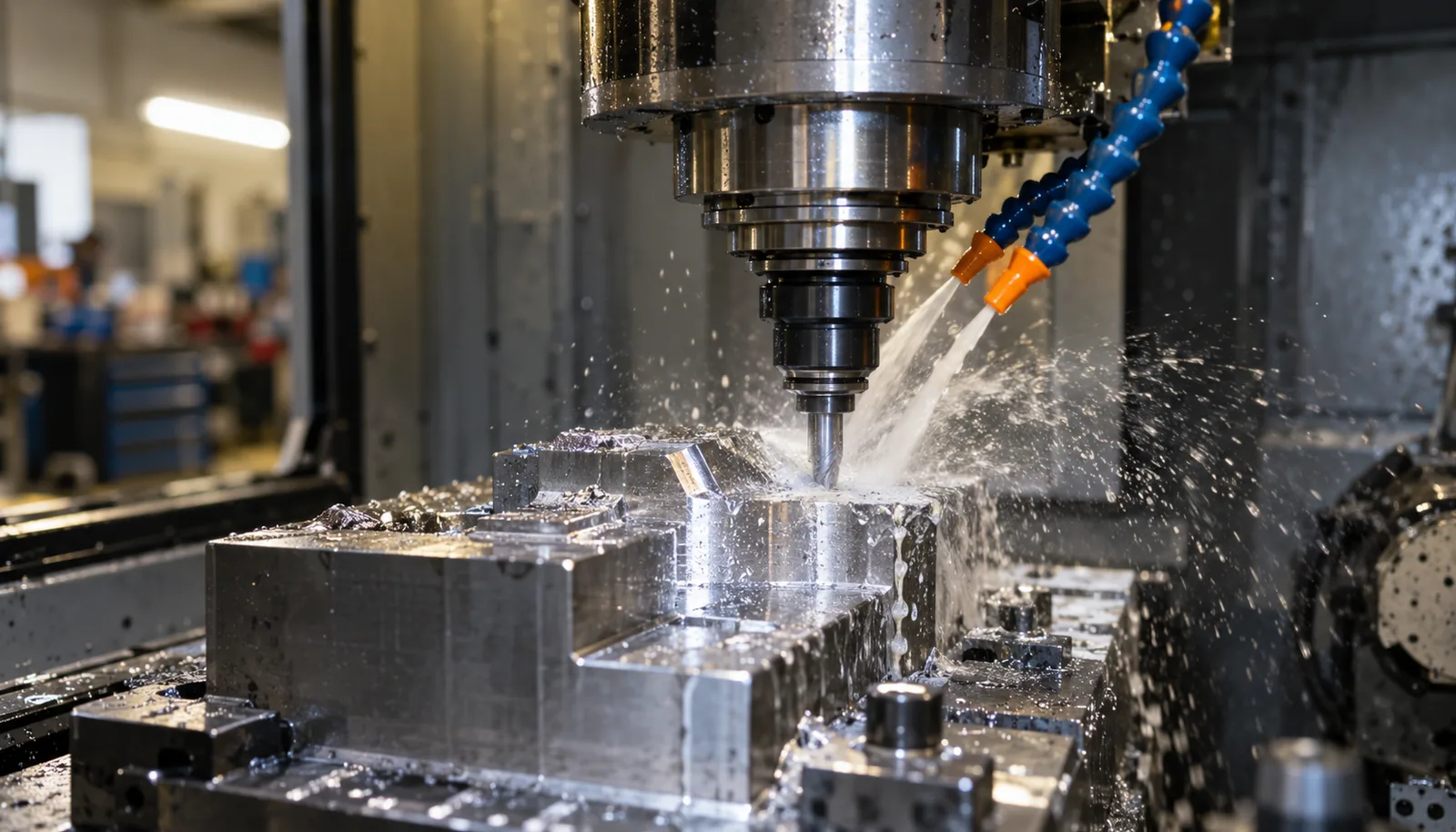
A partner's machine park tells you a lot about what they can handle. Advanced 5-axis CNC centers, Swiss-type lathes, and multi-spindle machines allow for complex geometries in a single setup, reducing lead times and improving accuracy. The number of machines matters less than the range of capabilities — look for a shop that can handle both prototyping and low-to-medium volume production without requiring tooling changes.
Material knowledge is equally important. Different alloys and engineering plastics behave differently under cutting tools. Aluminum requires different feeds and speeds than titanium or stainless steel. A knowledgeable partner will offer Design for Manufacturability (DFM) feedback early, suggesting material substitutions or geometry tweaks that reduce cost without compromising function. They should also be able to provide material certifications and RoHS/REACH compliance documentation on request.
![Close-up of machined metal parts with precise edges]()
Communication, Lead Times, and Support
Even the most technically capable shop is difficult to work with if communication is slow or unclear. English-language engineering support is essential. Look for a partner that assigns a dedicated project manager who can discuss DFM analysis, lead times, and shipping options in your time zone. Rapid prototyping — parts in as few as five days — is a strong sign that a supplier has streamlined its quoting and production workflow.
Transparency around lead times and capacity is another differentiator. A reliable partner will tell you upfront if they are at capacity and offer realistic delivery dates rather than overpromising. They should also provide regular production updates and shipping tracking. Payment terms, minimum order quantities (MOQ), and intellectual property protection agreements should be clearly defined before any work begins.
Making the Final Decision
Choosing an OEM CNC machining partner in China ultimately comes down to alignment. The right partner will have the certifications to back their claims, the technical depth to handle your materials and geometries, and the communication infrastructure to keep your project on track. Start with a small prototype run to evaluate their process firsthand. Gauge how quickly they respond to RFQs, how thorough their DFM feedback is, and whether they meet initial delivery promises.
![Engineers reviewing a CAD model on a tablet near CNC machines]()
A strong partnership can shorten your product development cycles and improve your cost structure without sacrificing quality. By focusing on certifications, technical capability, and communication, you set the foundation for a relationship that scales with your business. For additional guidance on evaluating suppliers, the International Trade Administration offers a useful overview of best practices for sourcing manufactured goods internationally, and the Precision Machined Products Association provides standards that many top-tier CNC shops follow.